Hardwood Floor Restoration and Repair, Sioux City Metro
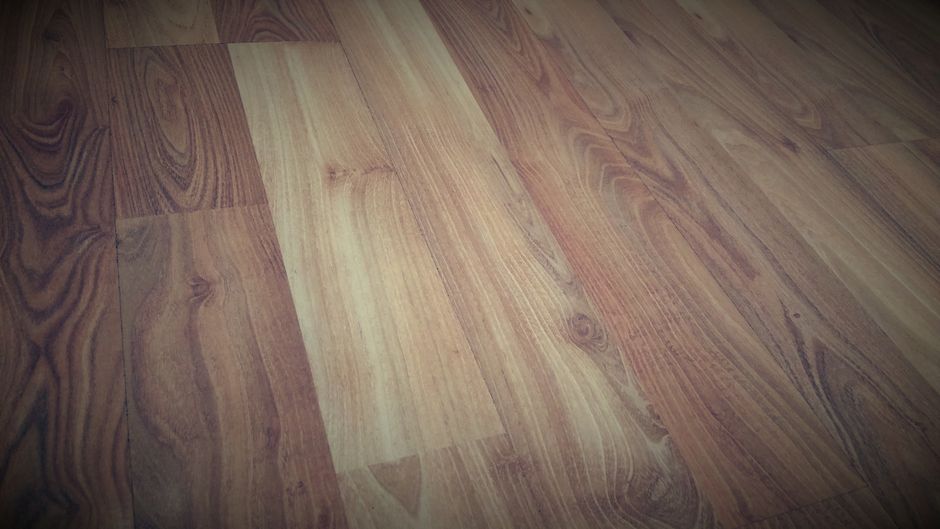
Restoration and repair covers the damage that doesn't necessarily call for sanding an entire floor down to bare wood: gouges, dents, dark stains, and individual damaged boards. NWFA's own guidance draws a clear enough line — a full sand and refinish "is recommended when there is damage to the wood floor like deep scratches, dents, and other flooring damage," or when "the finish has worn away, and the bare wood is exposed" (NWFA, "Refinishing Your Floors," woodfloors.org, as of 2026). Whether a specific case of damage needs that full treatment or a more targeted repair depends on how much of the floor is affected and how deep the damage runs.
Gouges and dents
A gouge or dent that's gone through the finish and into the wood itself is a wood-level repair, not just a finish-level one. Where the damage is limited to a small area, floor sanding covers how a sanding pass is staged and what determines how much material a sanding removes — the same coarse-to-fine principle applies to a localized repair as to a full hardwood floor refinishing job, just over a smaller area, and a repair still has to blend into the surrounding finish once it's done.
Dark and water stains
Not every dark mark on a hardwood floor is simple water damage, and the distinction matters because the cause changes what a repair involves. The USDA Forest Service's Wood Handbook explains that iron reacts with tannins in woods such as oak to produce a black stain, and that steel wool — sometimes used during cleaning or during an earlier finish job — can be a source of that iron; the Handbook describes this reaction as "primarily a problem in outdoor environments," though it can occur indoors as well (USDA Forest Service, Wood Handbook, FPL-GTR-282, Chapter 16, 2021). The same chapter notes that stains generally "accentuate wood grain by absorbing differently into" the earlywood, latewood, knots, and vessels of a board, and that blotchy, uneven stain absorption can occasionally be traced to blue-stain fungi or bacteria that infected the lumber before it was dried — something the Handbook describes as "not very common" (USDA Forest Service, Wood Handbook, Chapter 16, 2021). A black, tannin-based stain typically needs to be sanded out and re-stained or refinished in that area rather than simply cleaned, since it's a chemical reaction inside the wood fibers rather than surface dirt.
Damaged or worn boards
Where individual boards are cupped, split, or too damaged to sand safely, board-level repair or replacement is part of the same restoration category, priced within the same national ranges below. A floor sanding pass afterward blends a repaired section into the rest of the room's finish.
Gaps and cupping from moisture swings
Not every board-level issue is damage from an impact or a spill — some of it is ordinary seasonal movement. NWFA explains that "in humid environments, wood gains moisture and can swell," which is what causes boards to cup, while "in dry environments, wood loses moisture and can shrink," which is what causes gaps or splits between boards (NWFA, "Problem Prevention," woodfloors.org, as of 2026). NWFA also draws a line between normal and concerning movement: gaps "are considered to be normal if they appear and disappear during normal seasonal changes," but larger gaps, or gaps that "do not close during more-humid months," are a sign to have a professional take a look (NWFA, as of 2026). NWFA's general recommendation for limiting both problems is keeping a home "between 60-80 degrees Fahrenheit, and between 30-50 percent humidity, year-round" (NWFA, "Problem Prevention," as of 2026) — a broad, generic indoor range, not a Sioux City-specific figure. For everyday scratches rather than structural gaps or cupping, NWFA points to touch-up markers, stain pens, and repair kits as a first step, while noting that "a professional can help with bigger repairs" (NWFA, as of 2026).
Repair, or a full refinish instead
Repeated board-level repairs on the same floor, or damage that's spread across more than a board or two, is often the point where a full resand becomes the more practical option rather than another isolated fix. Refinish or replace covers how wear-layer thickness and the extent of damage factor into that decision, alongside the national resale-value data for refinishing generally.
What repairs cost
Two national cost guides publish repair ranges, and they don't agree with each other on the number, which is typical of these guides generally:
| Source | Repair cost range |
|---|---|
| Angi, "How Much Does It Cost to Refinish Hardwood Floors?" (2026 data, updated August 3, 2026) | $200–$600 |
| HomeGuide, "How Much Does It Cost to Refinish Hardwood Floors? (2026)" | $2–$20 per square foot, or roughly $500–$1,500 |
Both ranges are national figures from consumer cost-guide platforms, not a price quoted by any specific contractor in the Sioux City area — the guides themselves are built from broad, self-reported project data and cost calculators rather than local pricing. A fuller breakdown of refinishing costs generally, including how the same guides diverge on full-room pricing, is on cost to refinish hardwood floors.
After a repair
Once a repair is finished and blended in, ongoing care matters more than any one-time fix — routine cleaning habits and the humidity range NWFA recommends for keeping a floor stable are covered in caring for refinished floors. Whether a floor with several repairs might be better off with a full hardwood floor refinishing instead is worth weighing case by case, particularly if the damage is spread across more than one or two boards.