Refinish or Replace: How to Tell Which a Hardwood Floor Needs
Not every worn or dated-looking hardwood floor needs to be torn out. In a lot of cases the wood underneath the finish is still sound, and what looks like a floor in bad shape is really just a finish that's worn through. The decision between refinishing and replacing comes down to a few concrete things: what the finish and surface actually look like, whether the floor is solid or engineered wood, and how much wood is left to work with. None of those questions have a single universal answer, but the sourced guidance below covers what each one actually depends on.
Reading the condition of the floor
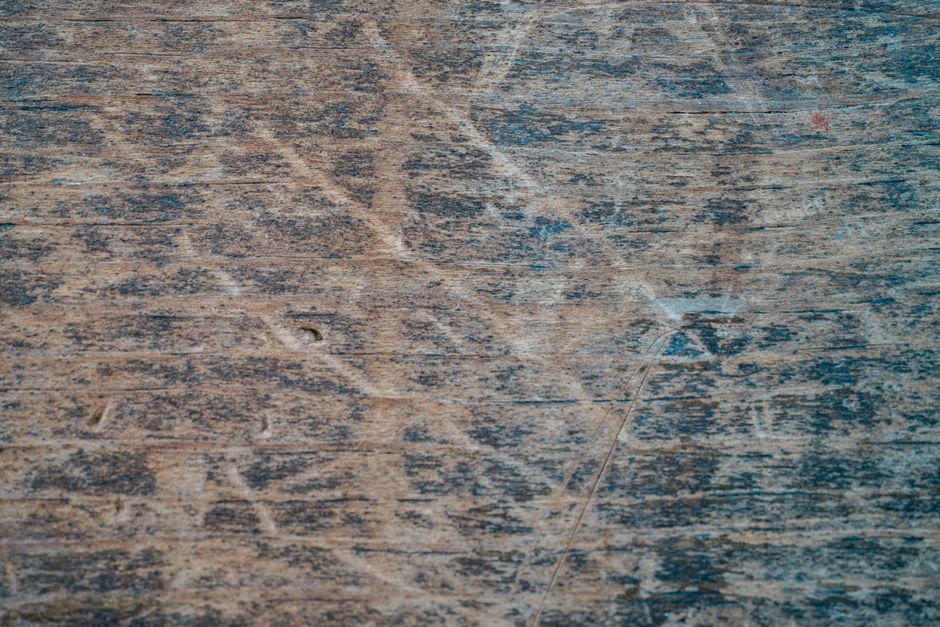
The National Wood Flooring Association draws a clear line between routine maintenance and a full sand-and-refinish. A maintenance coat — cleaning the existing finish, lightly sanding it, and applying a fresh coat — is enough when the finish is simply dulling. A complete sand and refinish becomes the right call "when there is damage to the wood floor like deep scratches, dents, and other flooring damage," or "when the finish has worn away, and the bare wood is exposed." In other words, surface dullness alone doesn't necessarily mean a full refinish is needed, but exposed bare wood or deep physical damage generally does. NWFA also points out that sanding a floor back to raw wood is a natural opportunity to change the floor's color if that's a goal alongside restoring the surface.
Solid wood vs. engineered wood
Whether a floor is solid or engineered wood changes what's realistic. NWFA states plainly that solid wood flooring "can be sanded and refinished many times," while engineered wood flooring "can be sanded and refinished," but "it cannot be done as many times as solid wood flooring." Neither statement comes with a specific count — NWFA doesn't publish a number of refinishings for either type, on the pages a homeowner would actually read, and that omission is treated here as intentional rather than as a gap to fill in with a guess. What it does mean in practice is that engineered floors have less room for error: the wood veneer that can be sanded is thinner by design, and a floor's construction type is worth confirming before assuming it can go through the same process as solid wood.
How much wood is actually there to sand
Older guidance from Purdue University and the USDA Forest Products Laboratory notes that "most flooring is ¾-inch thick, so it can withstand a number of sandings" over its life, but flags that a floor "less than ¾ inch thick, or hardwood plywood," needs more caution to avoid sanding through the wear layer entirely. That same source points out a practical way to check thickness without guessing: removing a floor heating register, or the shoe mold and baseboard, can expose an edge of the flooring so its actual thickness is visible. NWFA's own consumer guidance echoes the same caution in different words, noting that how many times any floor can be sanded "varies depending on a variety of factors including the skill of the contractor, the equipment used, the thickness of the wear layer, the flatness of the floor, and the condition of the floor." Both sources describe wear-layer thickness as a real limiting factor — neither one attaches a number to it, and no single figure is used here in place of an on-site look at the actual floor.
What refinishing does for resale value
For homeowners weighing the decision partly around resale, the 2022 NAR Remodeling Impact Report found that among interior projects, "the highest percentage cost recovered was from refinishing hardwood floors at 147 percent" — ahead of new wood flooring installation at 118% and an insulation upgrade at 100%. That figure comes from REALTORS®' estimate of added resale value divided by the estimated project cost reported by NARI members, and it's a national, survey-based estimate rather than a guarantee for any individual home. It's worth noting as one factor in the refinish-versus-replace decision, not as a number that predicts a specific outcome.
Getting a read on a specific floor
The signals above — finish condition, bare-wood exposure, solid vs. engineered construction, and remaining wear-layer depth — are what actually determine whether a floor is a good refinishing candidate. Floor sanding covers how the sanding stages themselves work once a floor has been assessed as a candidate, and where damage goes beyond what sanding alone can fix, repair work such as board replacement is typically handled before refinishing begins. For the hardwood floor refinishing process as a whole, or for what a project like this tends to cost, see cost to refinish hardwood floors. Species also plays into how a floor takes a refinish — see the hardwood species guide — and for floors that only need surface-level attention rather than a full sand-down, screen-and-recoat vs full refinish explains the lighter-touch alternative.