Screen and Recoat, Sioux City Metro
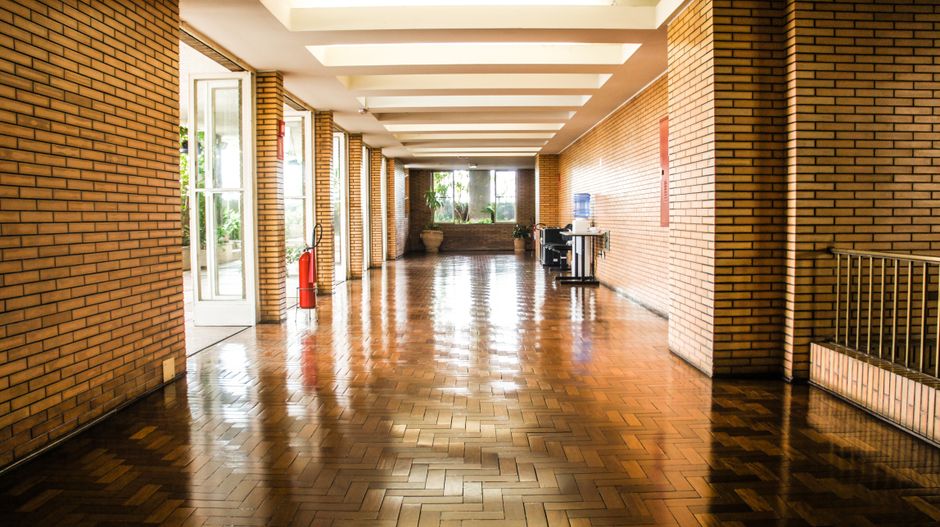
A screen and recoat is a lighter service than hardwood floor refinishing: the existing finish stays on the floor, and the job is cleaning it, lightly abrading its surface, and applying a fresh top coat. NWFA describes a maintenance coat as involving "cleaning the existing floor finish, then lightly sanding it, and application of a fresh new coat of wood floor finish" — separate from a full resand, which NWFA reserves for a floor with deep scratches, dents, or other damage, or one where "the finish has worn away, and the bare wood is exposed" (NWFA, "Refinishing Your Floors," woodfloors.org, as of 2026).
Three levels, not two
A manufacturer's own homeowner materials break this down into three tiers rather than a simple recoat-or-refinish choice. Bona describes polishing as adding a new layer over the existing finish, recoating as a step where a buffer lightly scuffs the finish before a new coat goes on, and refinishing as the option that "completely removes the existing layer of finish" — used "to repair moderate to severe damage or change the color of your floor," and, in Bona's own words, a service that "requires the most labor and can only be done a limited number of times throughout a floor's life" (Bona, "Recoat Hardwood Floors Guide," bona.com, as of 2026). Bona also frames its recoat option as "excellent preventative maintenance" rather than a fix for a floor that's already worn through (Bona, as of 2026). Those are a manufacturer's own category names for its own service line, not an industry-wide standard, but they line up with the general recoat-versus-refinish distinction NWFA describes above.
Why old wax or polish is a problem
A recoat only works if the new finish can actually bond to what's already there, and that's where old wax, polish, or oily residue causes trouble. Bona's technical data sheet for its Traffic HD finish is direct about this: a floor being recoated "must be free of wax, polish and oily residues, or adhesion failure can occur" (Bona US, Technical Data Sheet, Bona Traffic HD, dated May 27, 2026). That's a real risk, not a formality — a coat that doesn't bond properly can peel or flake rather than wear normally, which usually means redoing the work. It's also one of the reasons a floor that's been treated with over-the-counter polish products over the years is worth having assessed before a recoat is scheduled, rather than assumed to be a straightforward job.
How often a recoat makes sense
Neither NWFA nor the manufacturer materials reviewed here give a fixed recoat schedule. NWFA's own maintenance guidance says only that "individual maintenance schedules will vary depending on use, wear and tear, and lifestyle," and that a floor that's looking dull "can be renewed through recoating" when that's the case (NWFA, "Maintenance," as of 2026). Bona's professional materials use looser language of their own — "every few years floors can be recoated" — and add that if a finish isn't maintained, bare wood is "eventually" exposed, "requiring a complete refinish" at that point (Bona, "Recoat Treatment," bona.com, as of 2026). Those are general framings from NWFA and from one manufacturer describing its own system, not a maintenance calendar specific to any one floor.
Recoat vs. a full refinish
Because a recoat skips the bare-wood sanding step described on floor sanding, it's a shorter, less involved job than a full refinish — but it only works while the existing finish is still sound enough to bond to. A side-by-side comparison of when each option applies, including the timing a manufacturer describes for its own recoat versus refinish process, is on screen-and-recoat vs full refinish. Once a coat is on, the routine cleaning habits and humidity range NWFA recommends for keeping it looking good are covered in caring for refinished floors.
What a screen and recoat cannot do
A recoat only renews the top layer of finish — it doesn't remove or hide what's underneath it. A floor with deep scratches, gouges, or discoloration in the wood itself will still show those flaws through a fresh coat, since nothing about the wood layer changes during a recoat. The same applies to color: because the existing finish and any stain underneath it stay in place, a recoat can't be used to change a floor's color the way sanding all the way to bare wood can. Confirming which situation actually applies — a dulling but otherwise sound finish, versus real damage to the wood — is the first step in a recoat quote request, since the two situations call for different work entirely.
Requesting a quote
A recoat quote is most useful with a few basics ready: the room and approximate square footage, how long it's been since the floor was last recoated or refinished if that's known, and whether the current finish shows any bare wood, deep scratches, or discoloration rather than just a general dulling. Call 908-493-5028 to discuss a specific floor directly.